
8 Reasons Why Dance Can Be Just As Good As Therapy
The Health Benefits of Dancing
Dance is a form of movement and creative expression. So, it can offer a wide range of mental, physical, and emotional benefits that improve your happiness and quality of life. But are the benefits so great that they can actually replace traditional therapy? Arthur Murray Dance Centers Gainesville will help you explore the topic further. We’ve put together a helpful guide detailing the health benefits of dancing in Gainesville, FL and how they can play a therapeutic role in your life. Once you’ve learned about the positive impacts of dance, we encourage you to book your first lesson and get moving!
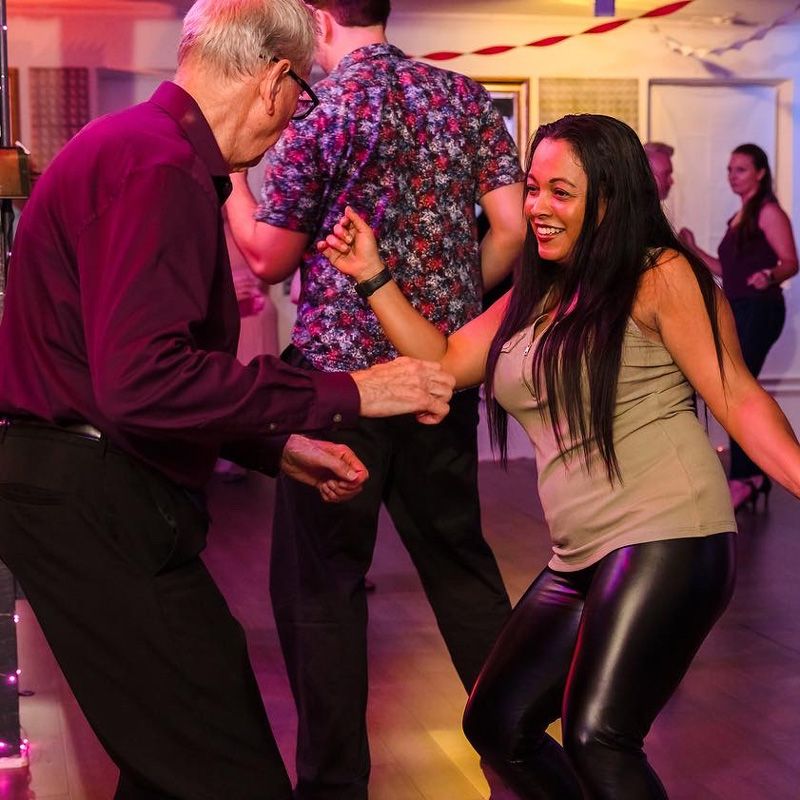
Dance Therapy for Mental Health
There is a form of dance training called dance therapy, or dance/movement therapy (DMT). Though its definitions and meanings can vary depending on context, DMT can be generally defined as the psychotherapeutic use of movement to promote emotional, social, and cognitive health. It’s often considered an evidence-based mental health treatment that focuses on the interconnectedness of the mind and body and how they both affect each other. While dance therapy can be helpful in improving mental and physical health, it’s important to remember that it’s not considered a traditional form of therapy. It should be used to complement and enhance other traditional therapeutic methods rather than replace them.
Why You Should Dance for Mental Health
Dance doesn’t just provide you with opportunities for exercise or physical activity. It also:
- Reduces Stress & Anxiety Naturally – One of the most immediate benefits of dance is its lowering of stress levels. The movements trigger the release of endorphins, the body’s “feel-good” chemicals. These chemicals can help counteract mental stress and tension.
- Improves Mood – Dancing can also promote the release of serotonin and dopamine. These chemicals are essential to regulating mood. Through dancing, you can potentially improve your mood and motivation.
- Enhances Self-Expression & Emotional Release – Some people have difficulty expressing themselves verbally. If this sounds like you, then dancing can offer you an outlet to express joy, grief, anger, and any other emotion in a safe and controlled environment.
- Boosts Confidence & Self-Esteem – Learning dance movements and steps can dramatically improve your confidence. Each achievement, no matter how small, is celebrated in dance lessons, building your self-esteem and encouraging you to keep progressing.
- Improves Brain Function & Cognitive Health – Though not a full replacement for traditional therapy, dance therapy has been shown, in some cases, to aid in improving memory, focus, and neuroplasticity. This makes dance particularly beneficial for older adults who want to maintain cognitive function.
- Builds Social Connection & Reduces Loneliness – Most forms of dance have a social component. Or they’re entirely social. Whether you’re doing a partner dance or partaking in group lessons, dance provides the opportunity to meet, connect, and build relationships with like-minded individuals.
- Supports Mind-Body Connection & Overall Health – Dance can help strengthen the connection between your mind and body. By tuning into physical sensations and movements, you can learn to recognize your emotional states and feel better and regulate them effectively.
- Provides an Accessible Form of Healing – Unlike traditional therapy, dance can be practiced at many places and adapted to any skill level. Whether through structured dance therapy for mental health or simply dancing at home, individuals can engage in movement in a way that feels comfortable and personal.
Dance for Your Mental Health Today
Dance works best as a complementary practice to mental health care. It is not a replacement for it. However, it can absolutely support mental, emotional, and physical wellness in meaningful ways. If you want to use dance to help your mental and emotional well-being, reach out to Arthur Murray Dance Centers Gainesville. We offer a wide range of dances, led by professional instructors, including ballroom, swing, Latin, and tango dances. Are you new to dancing? If so, contact us to schedule your first dance lesson. We’ll teach you steps and movements to help improve your skills, mood, and enjoyment.
FAQs
Can Dancing Reduce Stress?
When used with other mental health practices, dancing can absolutely reduce stress. That’s because, like any movement or physical activity, dancing can release dopamine, serotonin, and endorphins, which are some of the body’s primary “feel-good” chemicals. It can also allow you to channel your negative feelings or thoughts into a positive, uplifting, and confidence-boosting activity.
Is Dance Therapy the Same as Regular Dance Lessons?
Not quite. Dance therapy is a therapeutic practice that focuses on mental and emotional well-being. Regular dance lessons focus on building skills and fitness.
Can Beginners Still Experience Dancing’s Health Benefits?
Yes. You do not need prior experience to enjoy the mental and physical benefits of dancing. Any movement, whether you’re a pro or a beginner, is good for you, and this is particularly true with dancing.